
Participation of 11 Iranian Specialists in the Largest International Water Engineering Event (IWA)
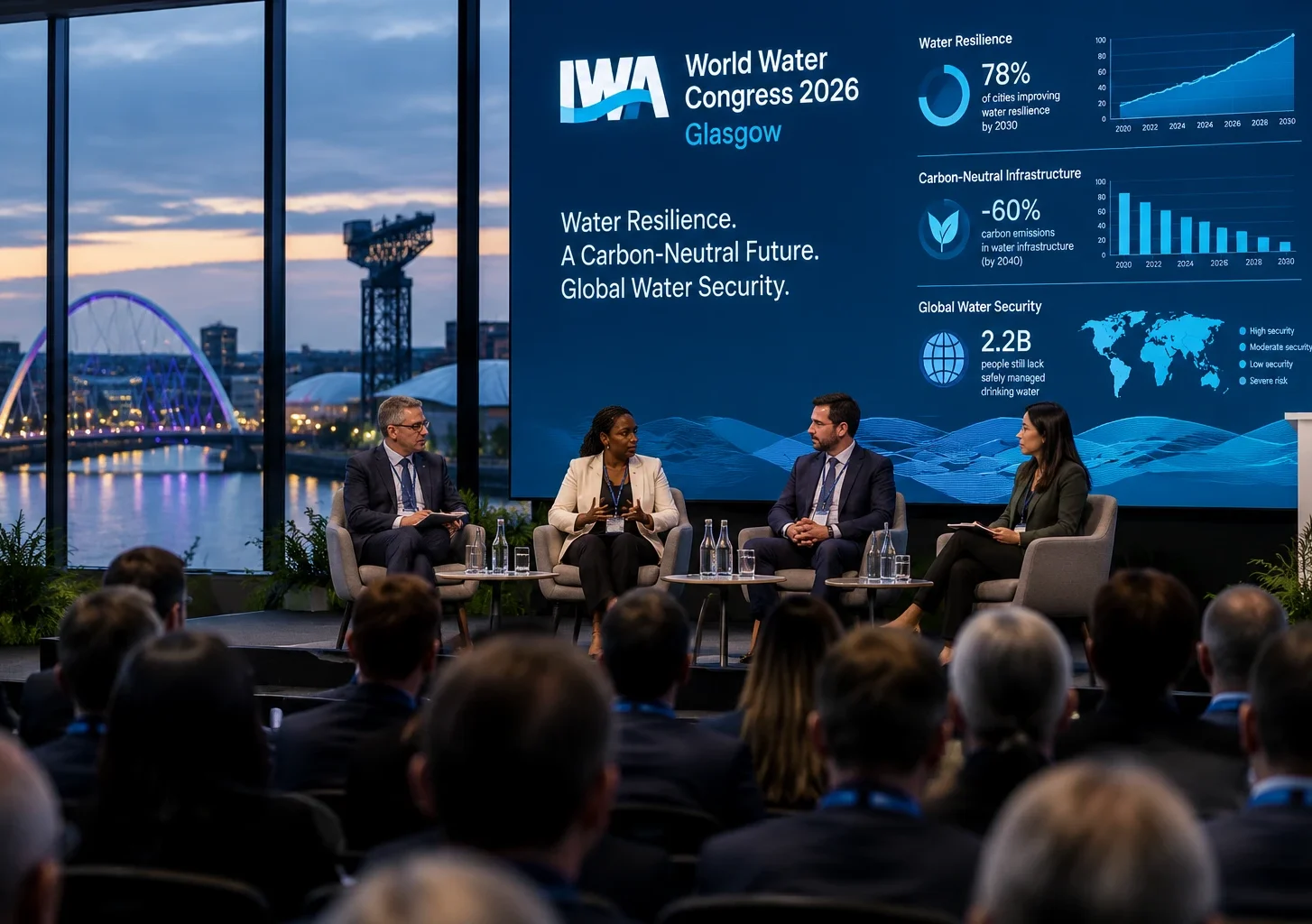
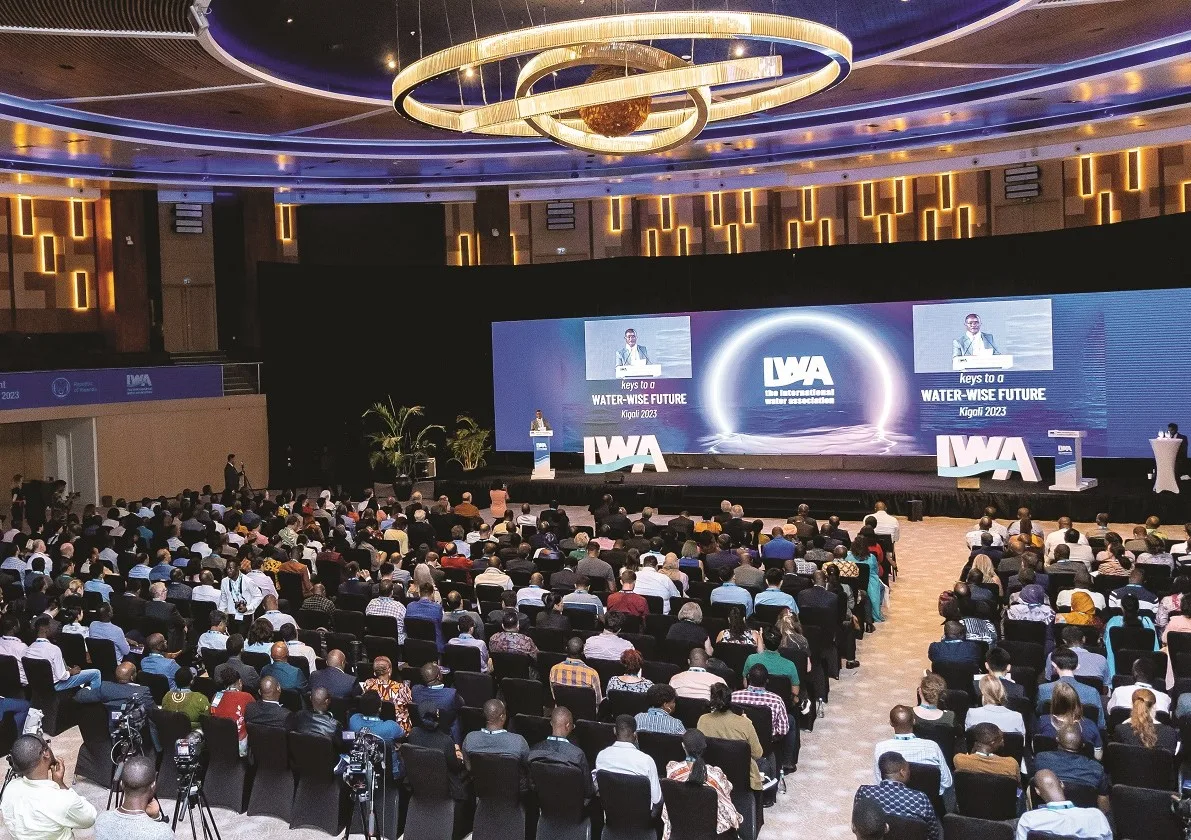
The official technical program of the 15th IWA World Water Congress reveals that researchers and technologists of Iranian descent play a prominent role in chairing technical sessions, presenting state-of-the-art technologies, and developing advanced models for water resource management. This article provides a translation and technical analysis based on the schedule of technical presentations and official workshops released by the International Water Association (IWA), featured on the Water Insight Hub platform.
The active involvement of 11 researchers and specialists of Iranian heritage has been confirmed as presenters, session chairs, and keynote speakers at the Glasgow event.
The scope of their contributions spans a wide spectrum, ranging from membrane bioreactors, greenhouse gas reduction, and industrial wastewater reclamation to transboundary water diplomacy and the application of artificial intelligence.
The structured technical presentations at this congress clearly demonstrate that bridging engineering solutions with data-driven modeling has become the top priority for researchers worldwide.
According to the official congress schedule, numerous technical sessions are convened with active participation from Iranian scientists. On the first day of scientific programming, Monday, October 5, from 10:30 to 12:00 in Room L under Technical Session TS 2.2 titled “Membrane Bioreactors for Wastewater Treatment,” Sanaz Mohebali from Canada presents a paper titled “Evaluating Membrane Resistance Resilience and Novel Insights from Aerobic-Anaerobic Membrane Bioreactor Systems (DAS-MBR).” This session focuses on process optimization, online monitoring of membrane fouling, and antibiotic removal.
Continuing the program on the same day within technical session TS 2.7, which focuses on modeling and digital twins for emission abatement and process optimization, Benyamin Chahkandi from Poland delivers a technical presentation from 15:30 to 17:00 in Room L. His paper is titled “Mechanistic Modeling of Nitrous Oxide Emission Dynamics in Aerobic Granular Sludge Sequencing Batch Reactors.” Concurrently, in Monday’s workshop sessions, M. Reza Alizadeh co-chairs workshop OW.1 titled “Developing a Global Water Diplomacy Curriculum” and delivers a talk focusing on international conflict resolution.
On Tuesday, October 6, Nooshin Barzegar Marvasti from the United Kingdom presents her research findings titled “Engineered Green Technology for Contaminant Removal and Ecosystem Restoration: From Prototype to Commercialization” in the form of a specialized poster during session TS 2.8, dedicated to monitoring emerging contaminants in municipal wastewater. Concurrently, Saeedeh Javanmardi from Iran outlines an integrated Health, Safety, and Environment (HSE) management program for water and wastewater infrastructure projects in session TS 5.2. On the same day, Reza Ahmadian addresses technical strategies for enhancing water sustainability in metropolitan cities as a keynote speaker in workshop WS 4.2.
The scientific program on Wednesday, October 7, features several additional high-level presentations. Alireza Abbassi Monjezi from the United Kingdom presents his paper titled “WaterVolm Technology and Transforming Industrial Wastewater Recycling” in session TS 2.20. In session TS 4.4, centered on nature-based solutions, Shima Kabiri from Iran elucidates the functional capacity of Qazvin’s traditional orchards as green infrastructure for urban water cycle enhancement and the sponge city framework. Furthermore, Maryam Moridnejad from New Zealand shares technical and operational experiences in smart water metering implementation within session TS 4.6.
In the final phase of Wednesday’s sessions, Farokh Kakar chairs technical training workshop WS 5.8 titled “Smart Goal-Setting for Water Professionals in the Era of Artificial Intelligence.” Simultaneously, in workshop OW.8, Hadi Mokarizadeh serves as panel vice-chair, moderating local youth-led initiatives for accelerating the Sustainable Development Goals (SDGs). These sessions emphasize the synergy between digital technologies, participatory policymaking, and professional skill enhancement within the global water sector.
Specialized Analysis by the Water Insight Hub Team
The pronounced presence of specialized researchers at this premier international congress indicates that the scientific community stands at the forefront of responding to global water scarcity challenges and climate volatility. The diversity of the subjects addressed—from mechanistic modeling of greenhouse gas mitigation in treatment facilities to membrane fouling resilience—demonstrates clear convergence between research directions and emerging environmental regulations. The dedicated focus on multidisciplinary solutions at this year’s congress reaffirms that overcoming complex water resource vulnerabilities requires tightly integrating advanced technological tools with modern management paradigms.
The technical presentations explicitly demonstrate the accelerating penetration of water technology and digital transformation into infrastructure operations. The integration of digital twins, real-time membrane fouling predictions, and the operationalization of artificial intelligence within organizational workflows underscores that data-driven governance and advanced simulation models have become indispensable operational baselines for modern water facilities. By optimizing chemical dosing and energy intensity, these advanced tools yield substantial efficiency dividends for industrial and municipal water recycling schemes.
For the Middle East and North Africa (MENA) region, which faces the most severe water stress indicators globally, the findings shared across industrial reclamation and desalination sessions are of paramount strategic value. The introduction of high-recovery wastewater recycling systems alongside novel insights into membrane durability demonstrates that water circularity and the reclamation of challenging industrial effluents provide the only viable pathway to sustaining industrial resilience across arid and semi-arid zones. Deploying such closed-loop systems is crucial to curb unsustainable abstractions from deteriorating regional aquifers.
The strategic implications of these studies for the broader MENA region are especially evident in localized engineering and spatial management. Research examining heritage green infrastructure demonstrates that revitalizing traditional ecological structures and aligning them with modern sponge-city frameworks offers a cost-effective, decentralized mechanism for urban flood mitigation and groundwater recharge. Moreover, regional implementation of advanced water metering and comprehensive HSE frameworks highlights the critical necessity of upgrading water governance structures and transitioning toward demand-responsive allocation in severely water-stressed urban hubs.
Finally, the active participation of leading specialists in international water diplomacy serves as a timely reminder that the most pressing water crises of our century stem from transboundary watershed disputes. These insights reinforce the imperative to overhaul regional master planning across the water treatment industry and foster cross-border institutional cooperation. Harmonizing advanced technological breakthroughs with rigorous diplomatic mechanisms provides the definitive foundation for transforming resource-driven security risks into catalysts for enduring regional stability.
 Official Email of the Water Insight Hub: