
Specialized Water Events, Symposia & Conferences
The Events section of the Water Insight Hub platform serves as a dynamic, analytical environment fostering convergence among academic and industrial research, emerging technology transfer, and macro policymaking in water resources management. As a modern reference, this space provides deep insights and comprehensive reviews of national and international webinars, symposia, and conferences focused on critical water challenges, hydraulic security, and integrated governance.
Undoubtedly, the strategic monitoring of specialized events enables water professionals and key decision-makers to transform theoretical academic solutions into scalable, industrial models for tackling water crises through rapid tech-innovation transfer and cutting-edge governance analysis. Our editorial team at the Water Insight Hub maintains a sharp focus on innovative water technologies, advanced desalination, AI-driven water management, and climate resilience frameworks—tracking scientific outputs to deliver actionable insights, structural reports, and operational blueprints.
By bridging innovative concepts with industrial scalability, the Water Insight Hub has established a robust framework for specialized capacity building. Through this network, researchers, engineers, and stakeholders gain direct, seamless access to the latest global water knowledge, strategic briefs, and technological collaboration opportunities across the region and the globe.
Water Events
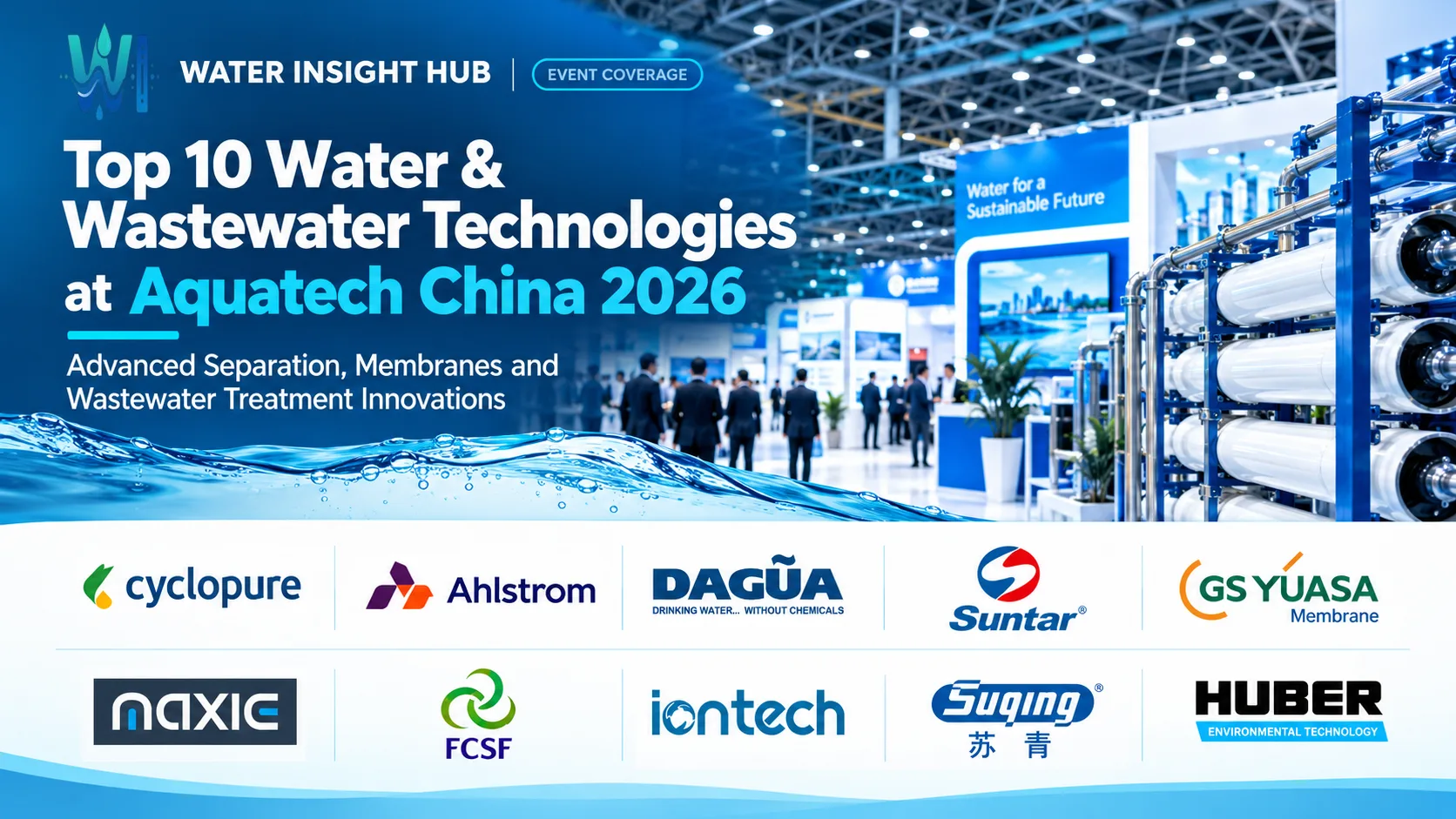
Top 10 Technologies at Aquatech China 2026: Advanced Water Treatment Review
An exhaustive evaluation of the top 10 engineering innovations from Aquatech China 2026, analyzing selective adsorbents, ...
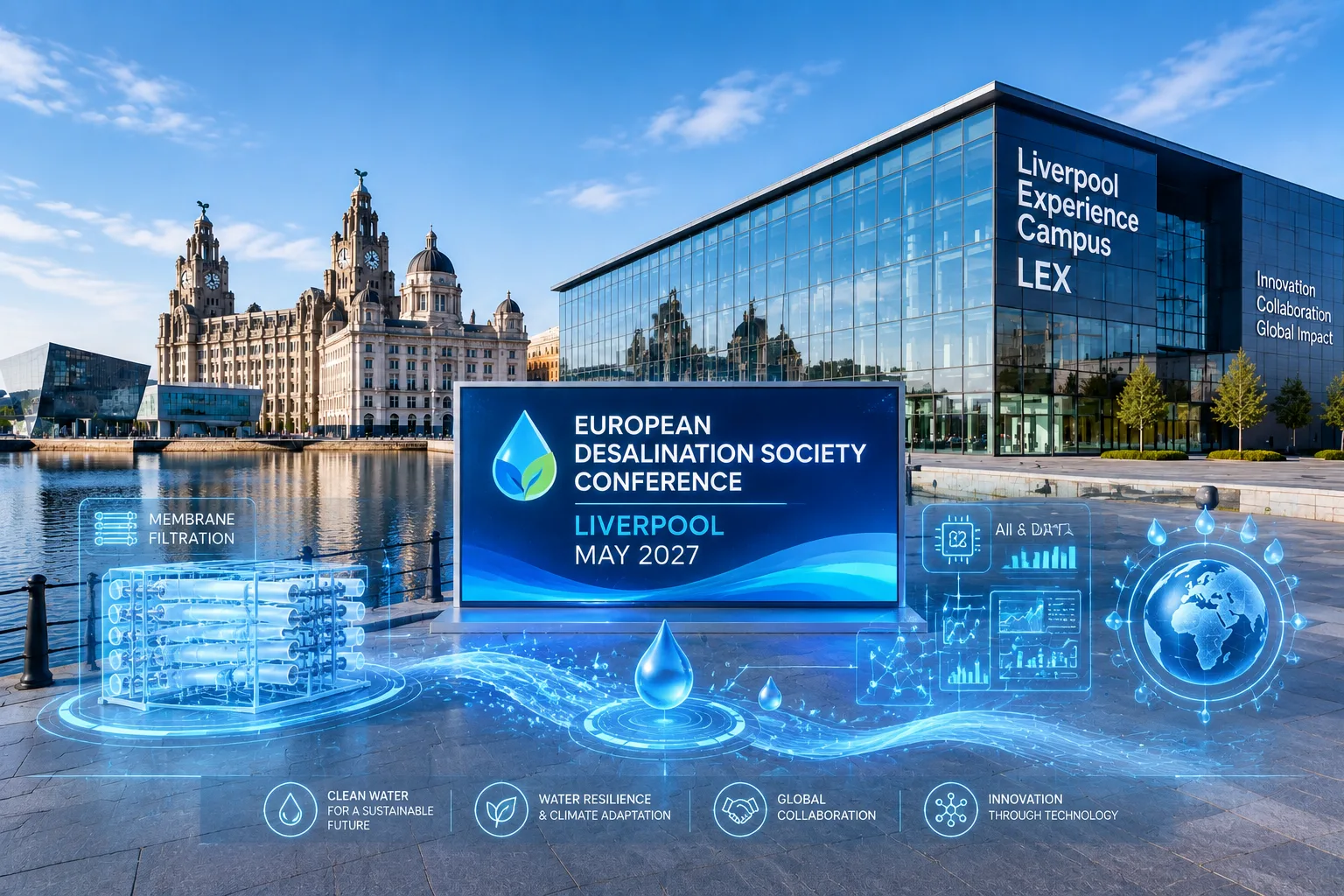
EDS Liverpool Event: Mapping a Water-Resilient Future
The European Desalination Society’s 2027 conference in Liverpool will examine how desalination, water reuse and advanced ...
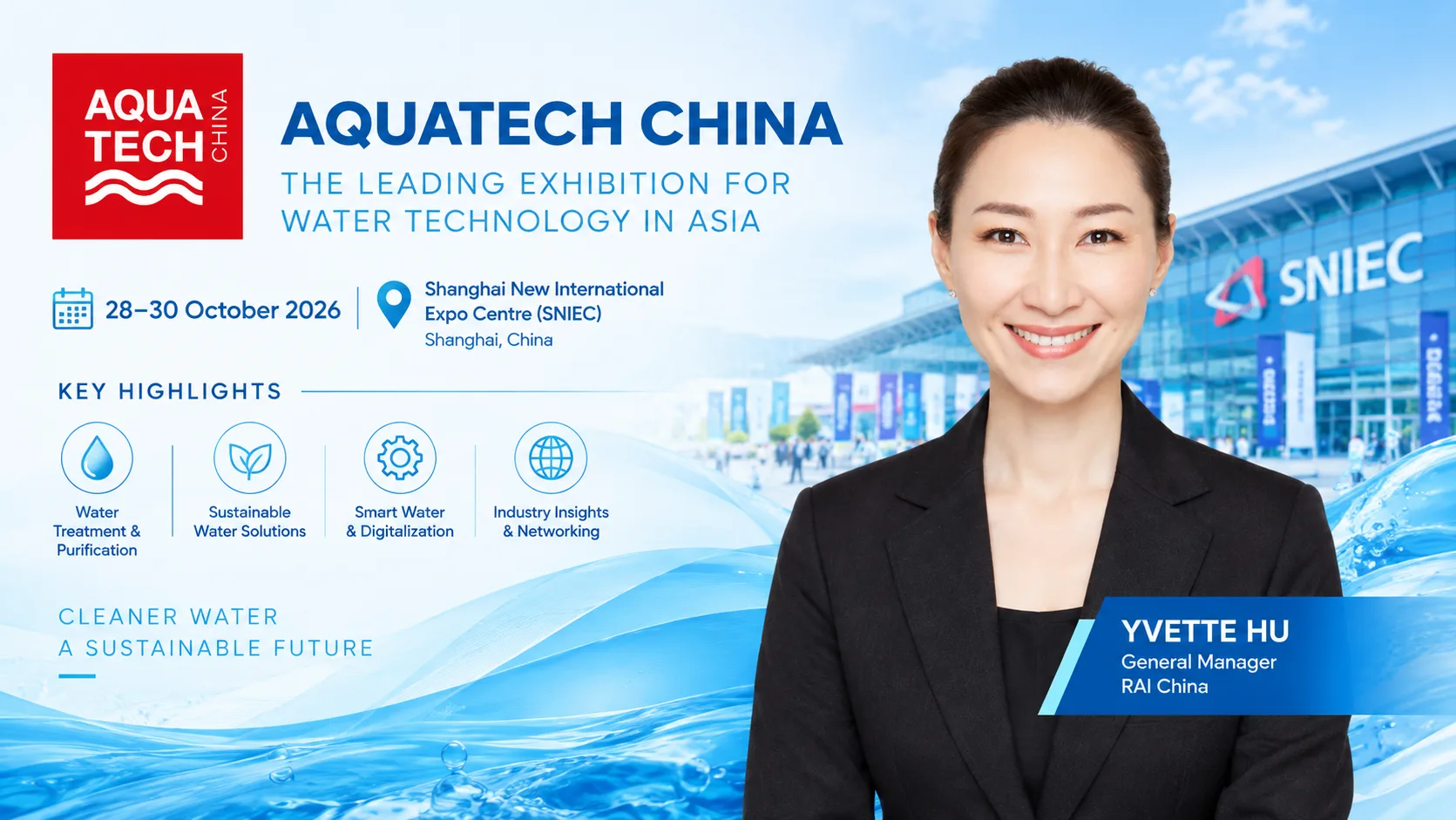
Aquatech Shanghai 2026: Innovations in Global Water Technology & Advanced Treatment
Aquatech Shanghai 2026 brings together global leaders to showcase breakthroughs in advanced water treatment, membrane separation, ...
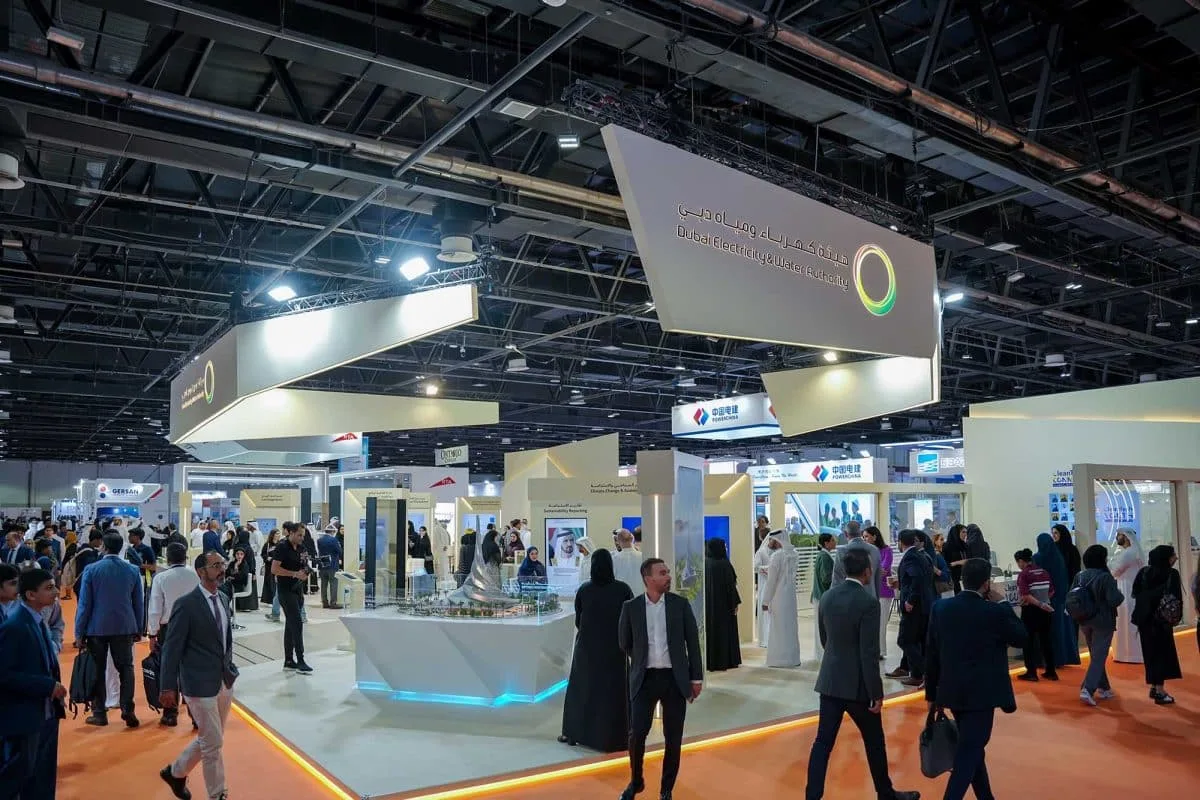
WETEX Event: Low-Carbon Desalination & Smart Water Technology
WETEX 2026 in Dubai convenes 18 international pavilions, showcasing solar-powered reverse osmosis desalination, advanced Chinese ...
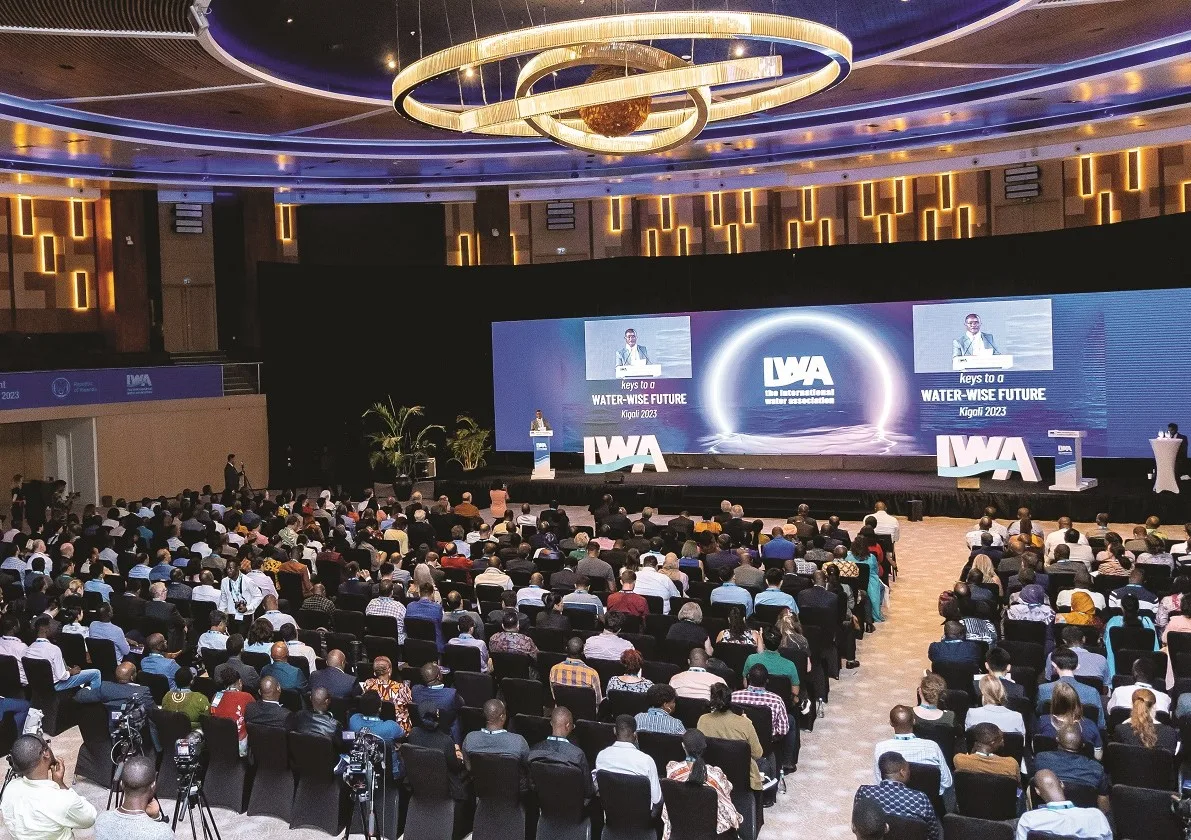
Iranian Experts at IWA World Water Congress: Technical & MENA Analysis
An exhaustive review of technical contributions by 11 Iranian-heritage scientists at the IWA World Water Congress, accompanied by ...
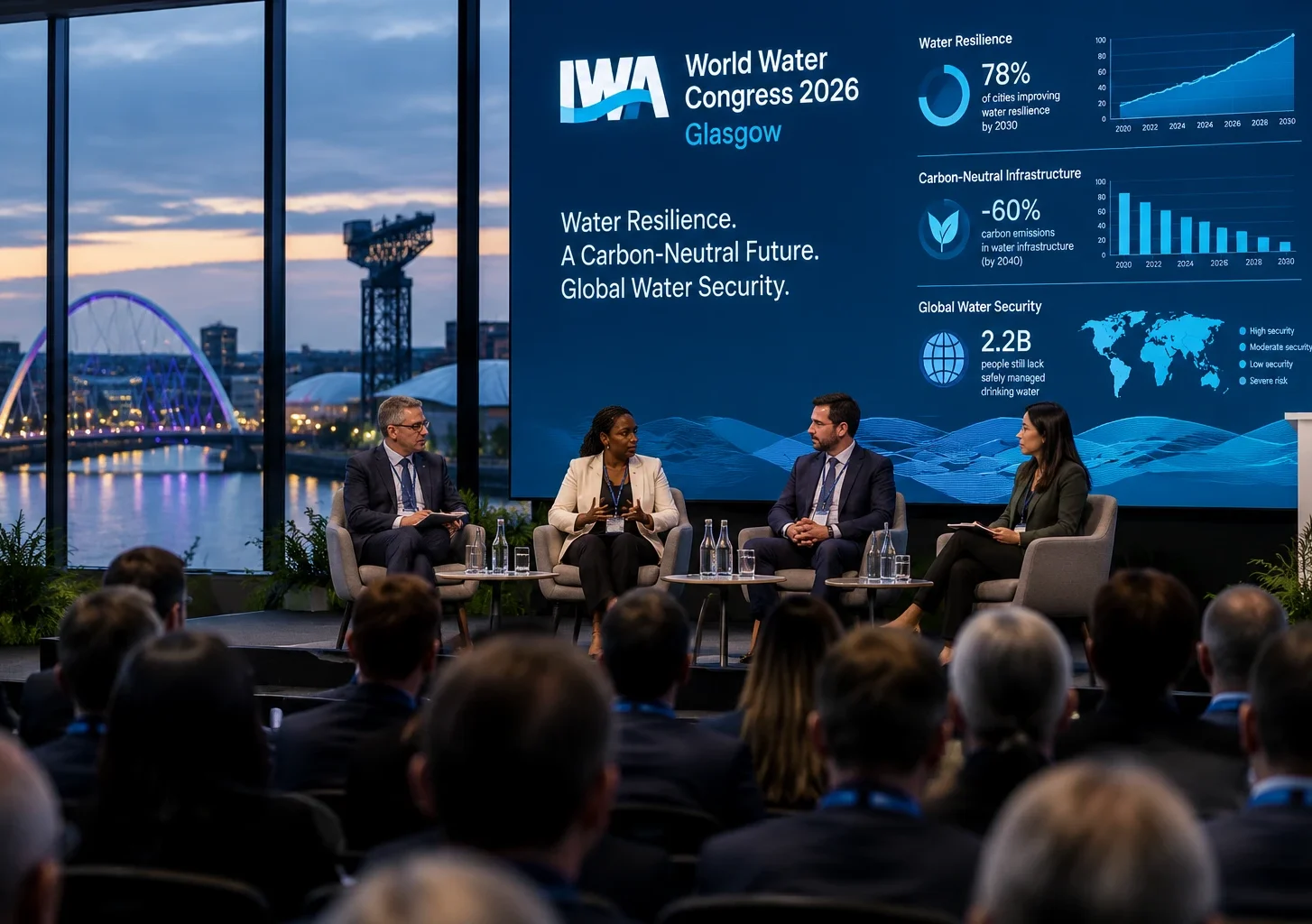
IWA World Water Congress Glasgow 2026: Roadmap to Net-Zero Resilience
An exhaustive breakdown of the IWA World Water Congress & Exhibition 2026 in Glasgow, outlining pathways toward carbon-neutral ...
Why Attending Water Events is a Launchpad for Professionals and Organizations
Chapter 1: Water Events as the Invisible University; Personal Growth and Professional Competency
The concept of “Lifelong Learning” is nowhere more critical than in the water sector. An engineer who graduated a decade ago without continuous upskilling is effectively disarmed when facing modern challenges such as Emerging Contaminants or Advanced Membrane Systems. Specialized water events serve as an invisible yet highly efficient university. Technical panels and workshops present data and field conclusions that have yet to be published in standard textbooks. Attending these sessions allows professionals to map their knowledge gaps and close them at a velocity far exceeding independent study. This growth process not only elevates professional confidence but also substantially spikes an individual’s market value as an up-to-date expert.
An frequently overlooked aspect of professional development at these symposia is exposure to “Failure Case Studies” of macro-projects. While scientific papers and corporate press releases typically highlight unblemished successes, the more transparent environment of Q&A sessions allows seasoned executives to discuss operational bottlenecks, computational miscalculations, and unforeseen hydrological crises in dam construction or inter-basin transfers. Hearing these real-world setbacks is invaluable for a young specialist. This tacit knowledge, transferred via direct interaction, prevents catastrophic mistakes in subsequent projects and reframes an engineer’s outlook from pure theoretical idealism to pragmatic operational realism.
Beyond hard technical skills, events are premium classrooms for acquiring the soft skills indispensable to the water industry. The capacity to negotiate among conflicting stakeholders (e.g., agricultural unions vs. industrial consumers), the articulacy required to pitch complex solutions to non-technical boards, and a grasp of water diplomacy are competencies untaught in traditional classrooms. By observing sector leaders navigate panel dynamics, younger professionals intuitively model and refine their own executive presence. This multi-dimensional growth prepares individuals to assume macro management roles at both national and international tiers.
Chapter 2: The Webinar Revolution; Democratizing Knowledge and Global Access
The post-pandemic surge of specialized webinars has thoroughly disrupted the paradigm of knowledge access within the water sector. Historically, attending a high-tier summit on Desalination in Europe or North America required exorbitant travel budgets, visa processing, and operational downtime. These barriers effectively monopolized cutting-edge insights for senior executives. Today, webinars have dismantled this exclusivity. A plant engineer at a remote treatment facility can access presentations by world-class Dutch or Canadian experts with a single click, participate in real-time discussions, and download documentation. This democratization of knowledge accelerates the technical evolution of a country’s engineering core.
The secondary value of webinars lies in their archival capacity and content reproducibility. Unlike physical lectures where missed details are lost, webinars are systematically recorded and indexed. This allows engineers to continuously revisit dense technical content, such as groundwater modeling algorithms or advanced chemical oxidation kinetics, until total comprehension is achieved. The Water Insight Hub continuously monitors and curates top-tier international and domestic webinars, bridging global expertise with localized engineering demands.
From an organizer’s perspective, webinars are powerful vectors for corporate branding and content marketing. Technology providers and engineering consultancies can host free, high-value instructional webinars to demonstrate their technical domain authority. This approach outclasses traditional outbound advertising because the audience receives real utility and verifiable technical depth rather than a sales pitch. Consequently, webinars establish institutional trust, generating high-quality B2B leads and introducing innovative apparatuses to geographically dispersed markets that were previously inaccessible.
Chapter 3: The Innovation Showcase; Presenting Milestones and Media Dissemination
Many knowledge-based enterprises and R&D units within the water sector develop exceptional technical solutions that languish in isolation and fail to commercialize due to poor market positioning. Specialized events provide the exact launchpad needed to transition a laboratory prototype into an industrial-scale asset. Presenting a technical paper, a poster, or a keynote at a vetted congress goes beyond earning academic credits—it secures peer validation from the global technical community. When an operator defends a new methodology for reducing Non-Revenue Water (NRW) before an auditorium of international specialists, they are actively stress-testing their engineering infrastructure and building market credibility.
Strategic media dissemination during an event generates a powerful press wave capable of attracting venture capital and regulatory stakeholders. Specialized media outlets and analytical platforms, such as the Water Insight Hub, actively mine these events for groundbreaking developments. Firms implementing a sophisticated media strategy release synchronized press packages—including executive interviews, video demonstrations, and white papers—alongside their physical presence. This synergy cements their brand as a sector “Thought Leader” rather than a simple hardware vendor.
Furthermore, the unvetted feedback received during these showcases is invaluable. In exhibition halls, you interact with prospective clients who candidly discuss their actual field challenges and operational bottlenecks. This feedback loop allows developers to fine-tune their products to achieve a perfect product-market fit. Many prominent features in contemporary water management software or precision instrumentation were born from critical, informal debates on exhibition floors. Thus, presenting at an event is not the finale of research, but the genesis of product optimization and maturity.
Chapter 4: Targeted Networking; Transforming Connections into Capital
The water sector is profoundly relationship-driven. Infrastructure-scale treatment and distribution projects necessitate consortia comprising consultants, general contractors, OEMs, and financial institutions. No single entity can realistically span the entire value chain. Events are the primary catalysts for forging these alliances. However, strategic networking at water events is entirely distinct from the indiscriminate distribution of business cards; it centers on identifying the missing technical links in your commercial model. If a company possesses an elite water-purification technology but lacks civil engineering capacity for concrete basin deployment, the trade floor is where they locate their complementary partner.
For junior engineers and researchers, symposia offer an unmatched avenue to find mentors and map career pathways. Approaching academic authorities or utility directors in a relaxed, casual conference setting (such as a coffee break) is far easier than requesting formal appointments at their corporate offices. A brief, technically sharp conversation regarding a specific hydrological problem can unlock internships, employment offers, or consultancies. This tier of networking compresses professional development timelines by years, integrating the individual into the sector’s inner circles.
Finally, water events are the definitive nexus between public regulators and private entities. For enterprises whose primary client base consists of state utilities or regional water authorities, these forums offer a rare opportunity to engage with public decision-makers outside the rigid constraints of traditional bureaucracy. In this collaborative environment, private sector concerns, regulatory roadblocks, and policy proposals can be communicated more fluidly. This industrial diplomacy frequently resolves administrative deadlocks that months of official correspondence fail to clear.
Chapter 5: Why Modern Water Events are Globally Vital
The fundamental necessity of focusing on Water Events and tracking their outcomes is driven by critical geopolitical and hydrological realities:
1. The Transition to the WEFE Nexus Framework
Sectoral, isolated water management has failed. Modern water conferences no longer evaluate water independently of energy grids, agricultural supply chains, and ecological balances. Tracking these assemblies is critical because they serve as the venues where water governance is analyzed as a direct variable of global resource security.
2. The Velocity of Emerging Technologies
Water management infrastructure is digitizing at a rate comparable to telecommunications. The integration of Digital Twins for distribution network monitoring, real-time non-revenue water mitigation, and the application of nanofiber membranes for low-energy desalination are uniformly debuted and critiqued at premium **Water Events**. Without these forums, municipal operators would lag behind commercial efficiency thresholds.
3. Transboundary Water Governance and Hydropolitics
With over 260 transboundary river basins worldwide, international water forums function as vital Track II diplomacy channels. They allow nations experiencing geopolitical friction over shared rivers to engage in constructive technical dialogue, reducing regional tensions. The Water Insight Hub closely monitors these diplomacy tracks to inform domestic hydropolitical strategies.
Chapter 6: Why Organizing and Monitoring Water Events is Imperative
The rationale for systematically orchestrating and tracking these events lies in optimizing the transition cycle from academic hypothesis to industrial deployment:
1. Bridging the “Valley of Death” for Academic Innovations
A vast percentage of postgraduate theses regarding water purification or hydrological modeling remain confined to archives due to a lack of industrial connectivity. A structured **Water Event** eliminates these silos by pairing researchers directly with venture capital, accelerating commercialization.
2. Standardizing and Updating Engineering Codes
The water and wastewater utility sector requires uncompromising public health and environmental standards. Formulating updated international guidelines, such as WHO frameworks for safe wastewater reuse, demands a consensus of experts that can only be established within specialized technical conventions.
3. Capacity Building and Human Capital Optimization
The engineering and technical staff within ministries and utilities require ongoing professional development. Events act as the engine for this knowledge upgrade through rapid technology-transfer workshops. The Water Insight Hub focuses extensively on deciphering and distilling the technical content of these high-level sessions.
Chapter 7: Strategic Impact on Sustainable Development
Water events influence sustainable development frameworks across three primary dimensions:
| Dimension of Impact | Core Function at the Event | Tangible Output |
|---|---|---|
| Policymaking & Governance | Drafting multilateral declarations and strategic roadmaps | Paradigm shift from supply-side management to demand-side regulation |
| Technological Advancement | Co-located industrial technology expositions | Commercialization of modern water technologies such as low-energy RO |
| Financial Investment | Dedicated panels on infrastructure project bankability | Securing international finance and public-private partnerships (PPPs) |
Chapter 8: Global Benchmarking: Premier International Water and Environmental Events
To understand the prevailing managerial and scientific trajectories, professionals must track the core agendas of the world’s largest water assemblies:
1. Stockholm World Water Week
Organized annually by the Stockholm International Water Institute (SIWI), this is the premier global focal point for water governance and diplomacy.
Focus Area: The intersection of policy, poverty reduction, sustainable development, and Nature-based Solutions (NbS). The prestigious Stockholm Water Prize (widely regarded as the Nobel Prize for water) is awarded here.
2. World Water Forum
The largest triennial international gathering on water, organized by the World Water Council (WWC) in partnership with a host nation.
Focus Area: Highly political and executive in nature, bringing together heads of state, ministers, and international agencies to forge binding commitments for global WASH (Water, Sanitation, and Hygiene) targets.
3. IWA World Water Congress & Exhibition
Hosted by the International Water Association (IWA), this event contrasts with the World Water Forum by focusing strictly on cutting-edge technical engineering and utility operations.
Focus Area: Advanced biological treatment processes, sludge management, microplastic elimination, smart water networks, and the debut of revolutionary water technologies.
4. Aquatech Amsterdam / WETEX Dubai
These are the commercial and industrial exhibition capitals of the global water sector.
Focus Area: International trade, supply chain management, heavy mechanical/electrical equipment, high-efficiency pumps, next-generation reverse osmosis (RO) components, and industrial closed-loop water recycling.
Chapter 9: The Role of Analytical Platforms in Localizing Insights
Simply attending a **Water Event** or reading high-level news briefs cannot resolve localized, regional water issues. The critical need of the domestic sector is the “analytical translation and reverse-engineering” of international breakthroughs to fit specific regional climatic, economic, and hydro-geological contexts.
An expert analytical platform like the Water Insight Hub continuously monitors these global summits, extracts core macro-trends, and processes them into decision-support tools for regional utility managers. For example, when an IWA congress emphasizes Decentralized Wastewater Treatment Systems (DEWATS), our analysts evaluate its deployment feasibility for arid rural frameworks or small-scale settlements across central basin catchments.
Chapter 10: A Forward-Looking Approach; Transforming Domestic Events
Future national water symposia must transition from passive, lecture-driven formats toward challenge-based structures. Integrating technical hackathons focused on hydrological datasets, startup weekends for emerging water technologies, and multi-stakeholder roundtables that include local agricultural co-ops is essential to ensure that event outcomes are highly actionable.
Advanced monitoring of specialized events provides the water community with the tools to translate academic research into scalable industrial assets. The Water Insight Hub remains dedicated to providing comprehensive analytical coverage of these forums, serving as a vital scientific and strategic advisory resource for the engineering and policy-making sectors.
End of Article – Click here to collapse the text and return to the abstract view