
Roadmap to the IWA World Water Congress 2026 in Glasgow: Transitioning to Resilience, Resource Recovery, and Carbon-Neutral Infrastructure
Suggested Headlines:
- Glasgow to Host IWA World Water Congress 2026: Epicenter of Technological and Climate Transformations
- Global Water Roadmap for 2026: Reviewing the Core Agendas of the Upcoming IWA Summit
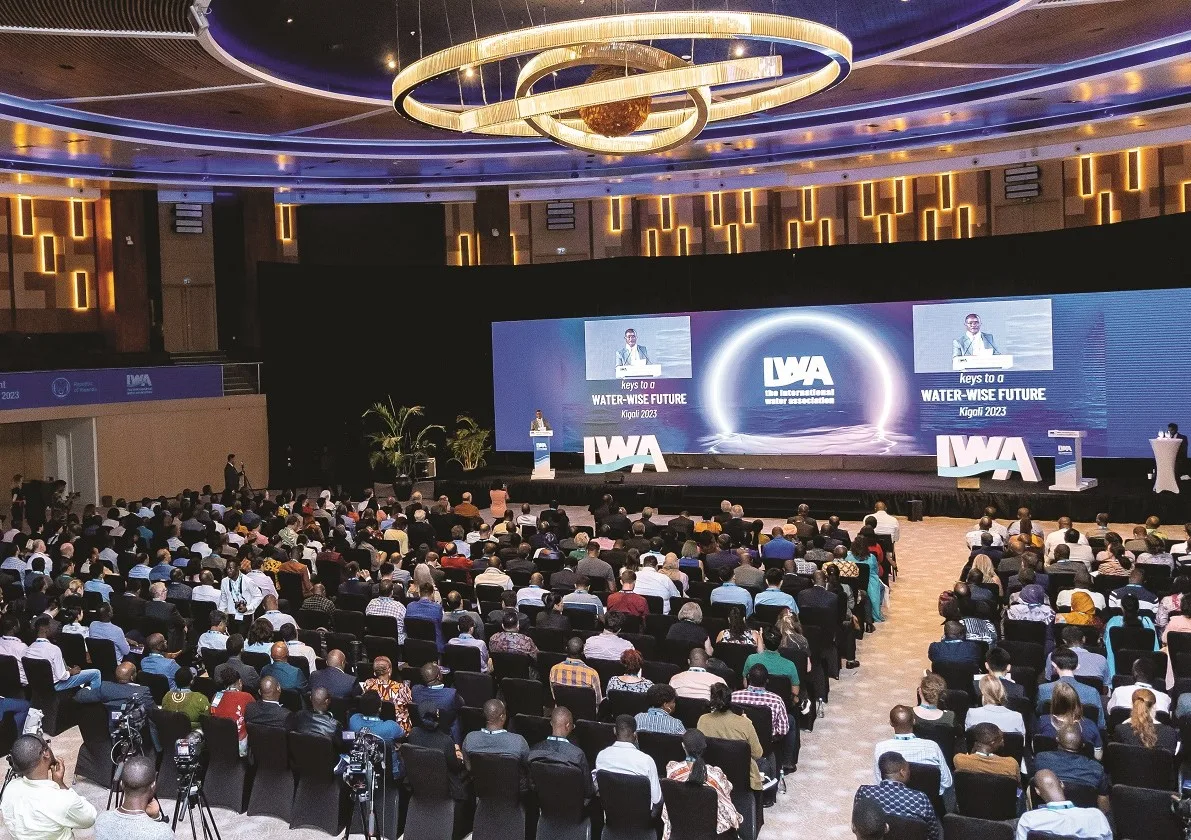
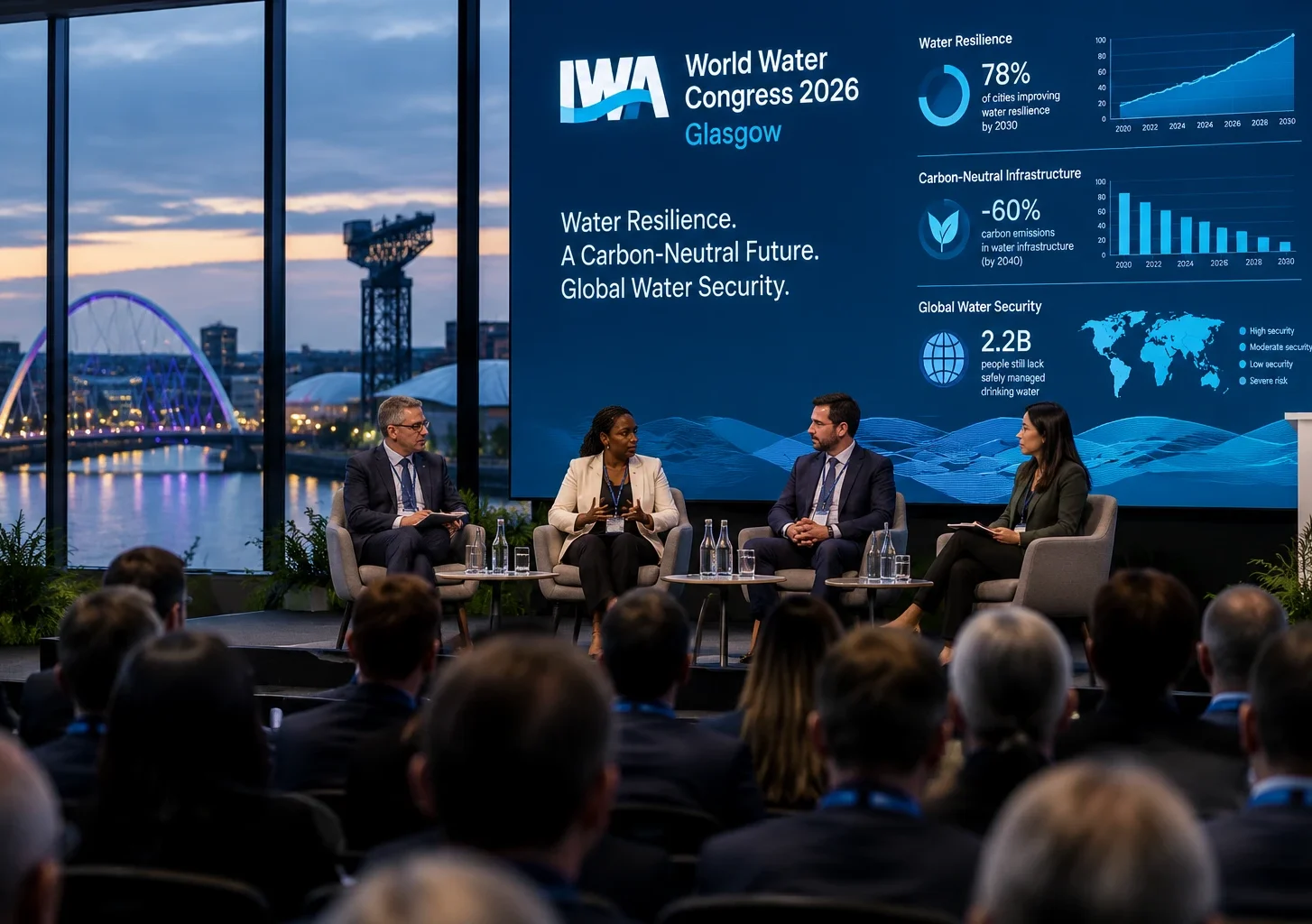
The city of Glasgow, Scotland, will host the International Water Association’s flagship event, the “IWA World Water Congress & Exhibition”, from October 4 to 8, 2026. By convening policymakers, scientists, and industrial pioneers, this international gathering will establish a definitive operational framework to overcome hydraulic imbalances, advance resource recovery, and achieve net-zero carbon water and wastewater utilities.
The core themes of the Glasgow Congress shift the water industry’s posture from reactive mitigations toward the holistic integration of biological resource recovery, thermal energy harvesting, and the extraction of high-value biopolymers.
The deployment of generative artificial intelligence algorithms and digital twins represents a unifying pillar for optimizing distribution network efficiencies and accelerating the commercial scale-up of emerging technologies.
Managed aquifer recharge and direct potable reuse stand as foundational cornerstones in redefining water security across transboundary and local river basins worldwide.
The congress’s scientific and executive program is structured across six overarching thematic tracks, 18 specialized workshops, and multiple high-level policy forums. The first track, focused on utility management, evaluates infrastructure resilience and data-driven operational architectures. Within these sessions, global experts will present advanced models for non-revenue water (NRW) reduction and predictive asset failure analytics designed to withstand compounding climate shocks.
The second thematic track focuses on wastewater treatment and resource recovery, detailing the structural transformation of conventional wastewater plants into state-of-the-art biorefineries. Crucial subjects include elimination protocols for persistent contaminants such as per- and polyfluoroalkyl substances (PFAS), the volatile fatty acids (VFAs) generation, alginate extraction, and the harvesting of polyhydroxyalkanoates (PHAs) from activated sludge. The circular recovery of phosphorus and reactive nitrogen will shift treatment facilities from energy-draining cost centers into circular production hubs for high-value agricultural and industrial inputs.
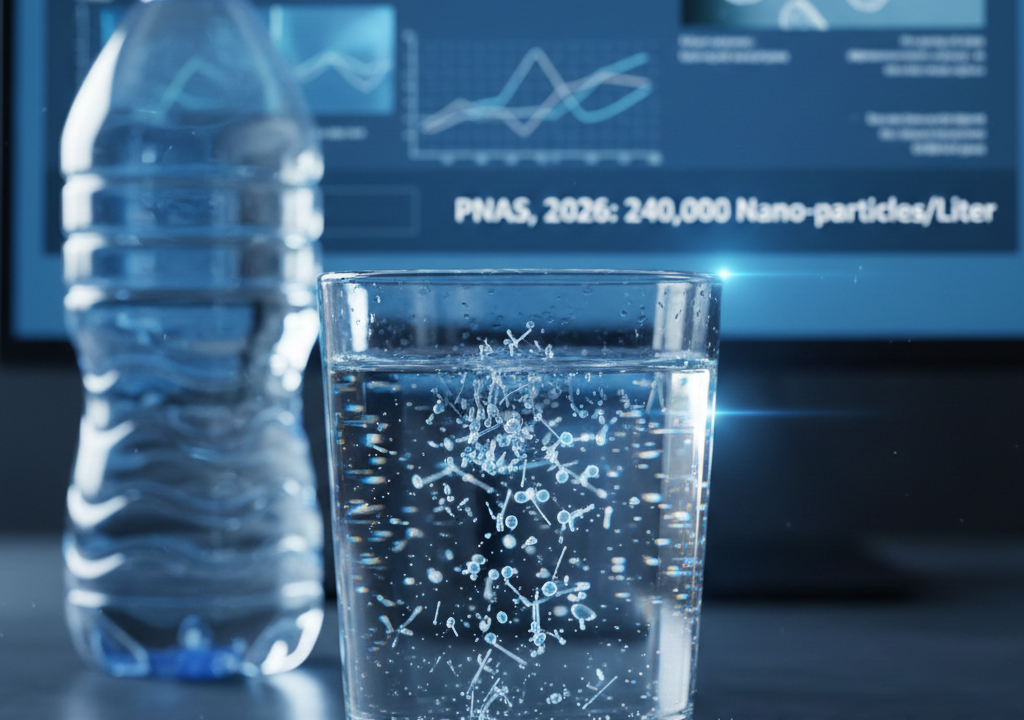
The third track zeroes in on drinking water purification and Direct Potable Reuse (DPR). Discussions will evaluate the operational kinetics of silicon carbide (SiC) ceramic membranes, high-efficiency reverse osmosis (RO) trains, and advanced oxidation processes (AOPs) for the complete destruction of recalcitrant pharmaceuticals and microplastics. Coupling real-time multi-parameter sensor arrays with multi-barrier physical-chemical barriers ensures absolute public health safety for reuse-fed municipal water grids.
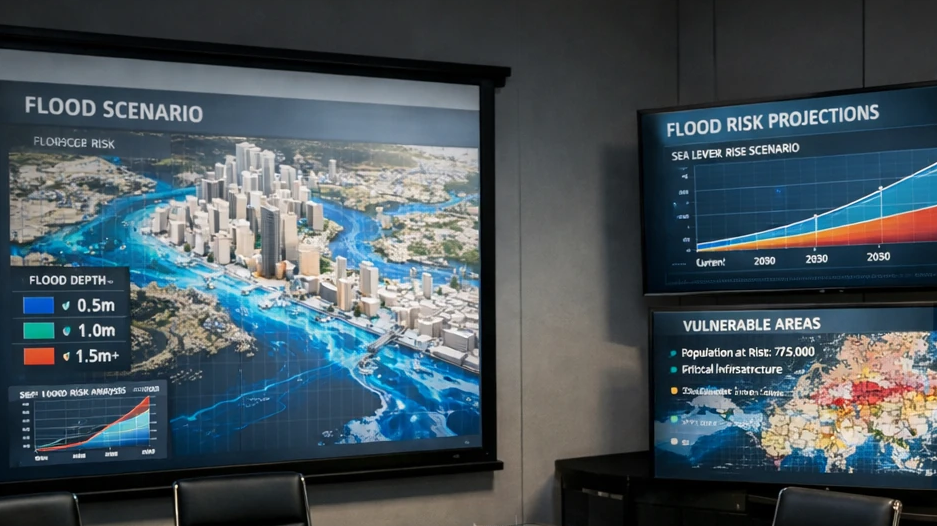
The fourth track addresses integrated urban watershed planning, featuring Nature-based Solutions (NbS), sponge city designs, and smart storm runoff governance. These frameworks simulate dynamic flood mitigation networks via large language models and multi-agent systems. The systematic deployment of urban blue-green infrastructure mitigates peak localized runoff volumes while significantly lowering urban heat island vulnerability.
Tracks five and six examine multi-stakeholder governance and sustainable water resource stewardship. Ensuring equitable access to water, sanitation, and hygiene (WASH), fostering public confidence in advanced reclaimed potable reuse projects, nurturing next-generation talent, evaluating wetland diplomacy treaties, and scaling Managed Aquifer Recharge (MAR) systems constitute the heart of these sessions.
In the specialized workshops segment, a comprehensive executive capacity program on technical water diplomacy will be spearheaded by Michigan State University (MSU), led by Dr. Joan Rose and Dr. M. Reza Alizadeh. Concurrently, technical working groups will examine the escalating water cooling footprints within digital computing infrastructure—including Amazon data centers—alongside market hurdles facing early-stage start-ups. Initial industry diagnostics indicate that under 15% of registered water tech innovations successfully bridge the commercialization valley of death from bench to field scale, a structural failure that will be dissected in Glasgow. In addition, the event will see the formal launch of the “International Nitrous Oxide (N₂O) Emission Measurement Protocol” tailored to biological treatment assets.
During the High-Level Summit entitled “Water for People: From Ambition to Action”, strategic roadmaps for accelerating Sustainable Development Goal 6 (SDG6) will be unveiled. Technical study tours will showcase prominent Scottish water engineering achievements, including the gravity-fed Loch Katrine conveyance infrastructure, the Balmore Water Treatment Works operating at a daily potable capacity of 200 to 365 million liters, the Seafield resource recovery asset, the Glasgow Smart Canal dynamic drainage system, and the Winchburgh wastewater plant engineered with aerobic granular sludge technology (Nereda®).
Exclusive Analysis by the Water Insight Hub Team
The Glasgow 2026 agenda confirms the global imperative for a structural paradigm shift from linear end-of-pipe treatment to closed-loop resource recovery cycles. With the introduction of stringent international monitoring protocols for greenhouse gases such as methane and nitrous oxide, the process carbon footprint and specific pumping energy intensity will become primary performance benchmarks for municipal utilities on the international stage. Re-conceptualizing facilities as industrial-grade biorefineries fundamentally re-engineers private equity investment cases for infrastructure-scale capital projects.
Integrating high-resolution monitoring topologies with cutting-edge water technology unlocks novel engineering paradigms. The practical execution of predictive digital twins and autonomous AI control routines across assets like the Glasgow Smart Canal illustrates that algorithmic urban water control networks can proactively draw down storage retention volumes well ahead of severe precipitation events. These cyber-physical implementations compress the historical delay between managerial oversight and operational hydraulic response to near zero.
Across the Middle East and North Africa (MENA), the congress’s core debates surrounding advanced desalination systems and direct reuse offer direct remedies for the region’s acute structural stresses. Given the severe groundwater deficits and elevated evapotranspiration profiles of this geography, substituting raw surface and fossil groundwater extraction with circular reclaimed water and low-energy seawater desalination coupled to renewable power grids will prove essential for sustaining urban belts and heavy industries. The technological exchanges in Glasgow provide a prime mechanism for transferring low-enthalpy, high-efficiency processes to the arid systems of the MENA territory.
For the broader Middle East and North Africa (MENA) region, the scientific modules showcased at this gathering trace out a pragmatic path through systemic water management bottlenecks. In an environment where regional sub-surface aquifers are facing critical drawdown, the focus on Managed Aquifer Recharge (MAR) emphasizes the strategic necessity of capturing seasonal stormflows and injecting ultra-purified effluents into regional subterranean reservoirs as a superior operational alternative to evaporative surface impoundments. Furthermore, integrating aerobic granular sludge processes into municipal plants and regional industrial cities will liberate substantial water volumes for petrochemical and heavy manufacturing hubs without deepening stress on depleted regional aquifers.
The collective technical and policy curriculum of IWA 2026 Glasgow demonstrates that disjointed water solutions are no longer viable. A durable transition toward water security requires a comprehensive ecosystem wherein specialized diplomacy, computational modeling, streamlined venture-scaling pathways, and resource-recovery architectures operate within a singular unified loop. Forward-looking decision-makers who realign regional master plans with these emerging best practices will best position their river basins and urban centers for long-term climate resilience.
 Official Email of the Water Insight Hub: