
Water Technology 2030: The ‘Internet of Water’ Revolution and the Transition to Smart, Decentralized Systems for Global Salvation
While the world grapples with accelerating climate change, traditional water resource management paradigms, relying on massive dam construction and water transfer, have lost their effectiveness. Today, the term heard more than ever in global scientific and managerial circles is “Water Technology”—but not just as separate tools, but as an integrated ecosystem. We are on the verge of entering the Age of the “Internet of Water” (IoW), where new desalination technologies, Artificial Intelligence, advanced wastewater treatment, and atmospheric water harvesting merge into one smart, decentralized network.
For regions facing extreme water stress, the adoption of this transformation is no longer a luxury choice; it is the only path to civil survival. Senior water analysts believe that water technology in the coming decade will be the main pillar of national security for nations. This transition requires a deep understanding of the synergy between digital data and physical infrastructure to break the vicious cycle of drought and mismanagement and move towards sustainability and resilience.
In this analytical article from the “Water Insight Center,” we delve into the newest trends in Water Technology that have the potential to be a game-changer globally. From advanced nanofiltration to Digital Twins and novel water harvesting methods, all are components of a larger puzzle that, if properly assembled, can avert the “Day Zero” scenario and ensure sustainable water security.
Artificial Intelligence and Digital Twins: The Masterminds of Modern Water Management
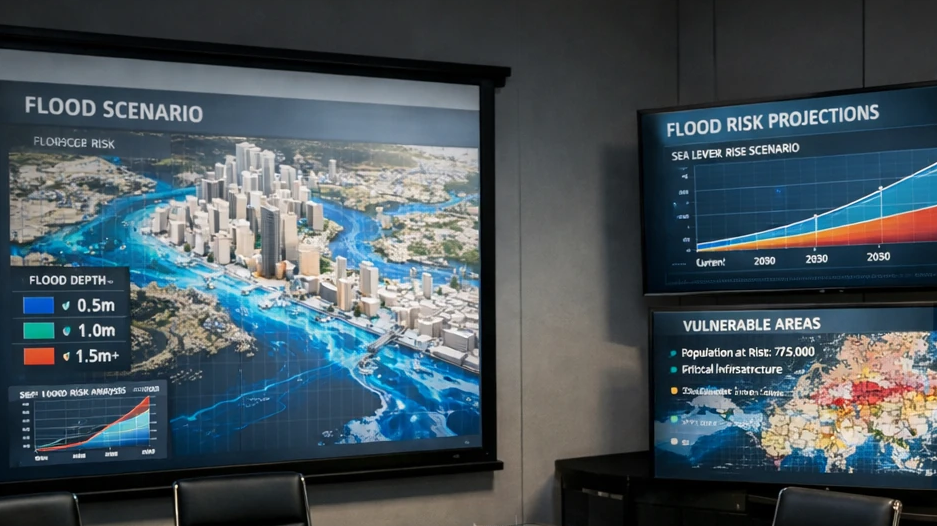
The first pillar of the Water Technology revolution is the digitalization of all processes. The use of Artificial Intelligence (AI) and the Internet of Things (IoT) has gone beyond the installation of a few simple sensors. Today, the focus is on “Digital Twins”; accurate virtual models of physical water supply systems that allow for the simulation of critical scenarios before they occur. As referenced in The Digitalization Effect on Global Water Security, these technologies can significantly increase efficiency by optimizing pressure distribution and identifying network weaknesses.
One of the biggest challenges in water networks worldwide is physical water loss and hidden leaks. Traditional leak detection technologies are costly and slow, but The Revolution of Satellite Leak Detection in Water Resource Management has shown that leaks can be accurately identified from Earth’s orbit through the analysis of radar imagery and advanced algorithms. This approach, alongside Smart Water Leak Detection, which relies on acoustic sensors and real-time data analysis, can save millions of cubic meters of treated water that are annually lost underground.
In addition to leak detection, AI plays a crucial role at the consumer and macro-management levels. Projects such as the Collaboration between K-Water and OpenAI and the use of Smart Meters, the Beating Heart of Water Resource Management, demonstrate how data mining can analyze subscriber consumption patterns and even provide accurate forecasts of future demand. This level of intelligence is necessary for the shift from traditional management to modern water governance.
Transformation in Desalination and Treatment: Crossing the Boundaries of Energy and Materials
Desalination is no longer just a solution for wealthy nations but has become a necessity for all coastal regions. However, the main challenge has always been high energy consumption and environmental impacts. Fortunately, Water Technology is witnessing stunning leaps in this field. The emergence of Subsea Desalination Technology, which uses the hydrostatic pressure of deep oceans to reduce the energy consumption of reverse osmosis, promises a brighter and less costly future for water purification.
Alongside hardware, advanced materials have also changed the game. Novel membranes like Stable Polyimide Membranes and the Funding of Membrion in Electro-Ceramic Membranes have increased equipment lifespan and minimized the problem of fouling. Furthermore, the Analysis of the LG Chem Mega Deal shows that global technology giants are heavily investing in the next generation of filters that boast much higher efficiency and reduce operational costs.
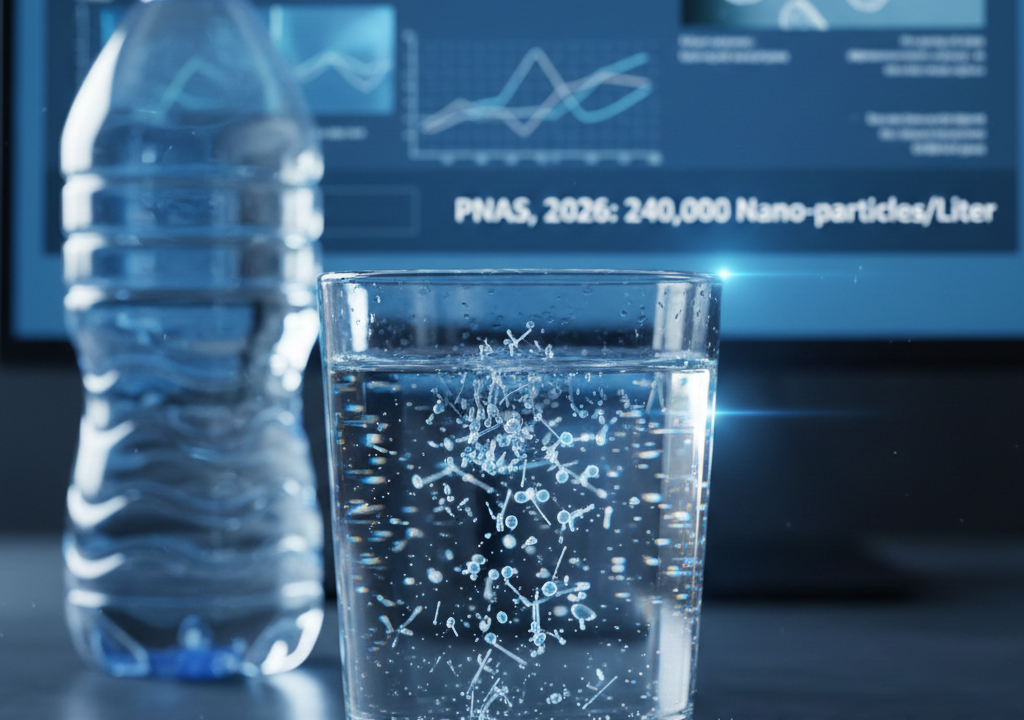
But water treatment is not limited to desalination. Removing emerging and hazardous pollutants, such as “forever chemicals” (PFAS), is one of the most critical fronts of Water Technology. Articles like PFAS: The Silent Threat in Water Resource Management and reports on Emerging Pollutants: The New Challenge for Water Resource Management indicate that conventional treatment methods cannot remove these toxins. New technologies based on nanotechnology and advanced oxidation are the only way to combat these health threats that are slowly contaminating our water sources.
Wastewater Recycling and Modern Harvesting: Creating New Water Sources
In the paradigm of the circular economy, wastewater is no longer waste, but “gray gold.” Leading nations like Singapore, with their Localization of NEWater, have shown that wastewater can be treated to the standard of drinking water. The use of novel technologies like Animal Biochar and Energy-Positive Wastewater Treatment Plants can turn treatment plants from energy consumers into energy producers, while simultaneously providing high-quality water for industry and agriculture.
Besides recycling, the view toward the sky has also changed. Atmospheric Water Generation (AWG) technologies, once considered science fiction, are now commercialized. The MIT Revolutionary Innovation in Water Technology, which extracts water from the air using ultrasonic waves, and projects like Dubai’s First Water Sequestration Station, attest to this claim. These technologies can be vital for remote regions of the world that lack access to centralized water networks.
Of course, we must not overlook controversial but important methods like Global Cloud Seeding. Although the challenges are addressed in the report Technological Illusion or Climate Necessity?, it remains a supplementary tool in the Water Technology toolbox. Combining these new resources with methods like Smart Irrigation and Precision Agriculture can relieve pressure on underground aquifers.
Why is this Technology Crucial for Global Water Security?
Many vulnerable regions are at a critical point. Numerous reports, like those concerning the Tehran Water Crisis and the dire state of the Zayandeh Rood Dam, show that strategic reserves are depleting globally. Water Technology in this context is not a luxury imported commodity but a tool for preserving territorial survival. Considering the Global Groundwater Crisis and the 160 Billion Cubic Meter Deficit, continued extraction from existing resources is unsustainable.
Smart technologies can help resolve water disputes by creating data transparency. As discussed in the article Clash of Narratives in the Water Crisis, part of the problem worldwide is the lack of agreement on baseline data. Digital Twins and precise sensors can reveal the truth and provide a solid foundation for difficult decision-making. Without accurate data collected by technology, any “water market” plan will be doomed to failure, a topic also analyzed in the article The Water Market.
Furthermore, many nations have high potential for localizing these technologies. Given examples like Water Treatment without Trial and Error: An Achievement of the Scientific and Industrial Research Organization, it is clear that technical knowledge exists globally. Investment in these technologies not only solves water problems but can turn nations into exporters of water technical and engineering services in their respective regions. This requires serious attention to Crop Patterns and the Water Crisis and shifting the approach from “supply management” to “demand management” with the aid of technology.
Summary: The Global Water Future Depends on Technology
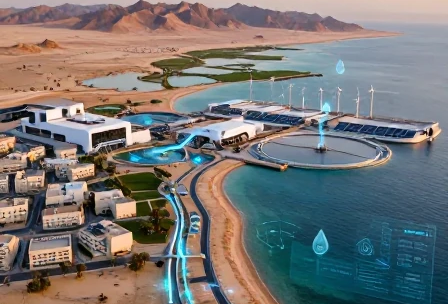
The world is moving toward decentralized, smart, and resilient water systems. Water-Adaptive Cities are tangible examples of this future. For any nation facing water stress, embracing Water Technology is a strategic choice. We must move away from traditional, high-cost solutions and shift towards innovations that are compatible with dry climates.
Our future water security depends on integrating AI for consumption management, modern membranes for sustainable supply, and 100% wastewater recycling. The time for trial and error is over. As warned in reports like The Latest Status of the Water Crisis, the threat of Day Zero is serious, but technology can be a powerful shield against this threat.
Is your organization or company ready for the new era of Water Technology?
The “Water Insight Center” supports your transition to smart water resource management by constantly monitoring global developments and providing specialized analyses. To receive the latest analytical reports and access exclusive water market data, join our specialized newsletter today.
Frequently Asked Questions (FAQ) about Water Technology
1. What is the newest trend in Water Technology for 2026?
The most significant trend is the convergence of “Artificial Intelligence” (AI) with water treatment and distribution systems, known as the “Internet of Water” or IoW. This technology includes Digital Twins for network simulation and optimizing energy consumption in treatment plants.
2. How do new desalination technologies help reduce energy consumption?
The new generation of membranes (such as graphene and biomimetic membranes) and energy recovery technologies have drastically reduced the electricity required to desalinate seawater. Furthermore, the use of hydrostatic pressure in deep sea settings (Subsea Desalination) is one of the revolutionary methods in this field.
3. What is the role of AI in reducing water loss?
By analyzing pressure and flow patterns in the network and utilizing satellite data and acoustic sensors, AI can accurately identify hidden leaks before major pipe bursts occur, which is known as smart leak detection.
4. Is wastewater recycling safe for potable use?
Yes, using advanced technologies like “Direct Potable Reuse” (DPR) and multi-stage systems of reverse osmosis and UV disinfection (like Singapore’s NEWater model), the quality of recycled water can even surpass the standards of typical drinking water.
5. How applicable is Atmospheric Water Generation (AWG) technology?
This technology is highly effective for humid coastal areas and can also be beneficial in arid and semi-arid regions. New devices, utilizing nanostructured sorbents and ultrasonic waves, can produce water even in low humidity and are an excellent option for emergency water supply in remote areas.
 Official Email of the Water Insight Hub: