
Why Seasonal Schools are Vital for the Future of Water Resource Management in the MENA Region
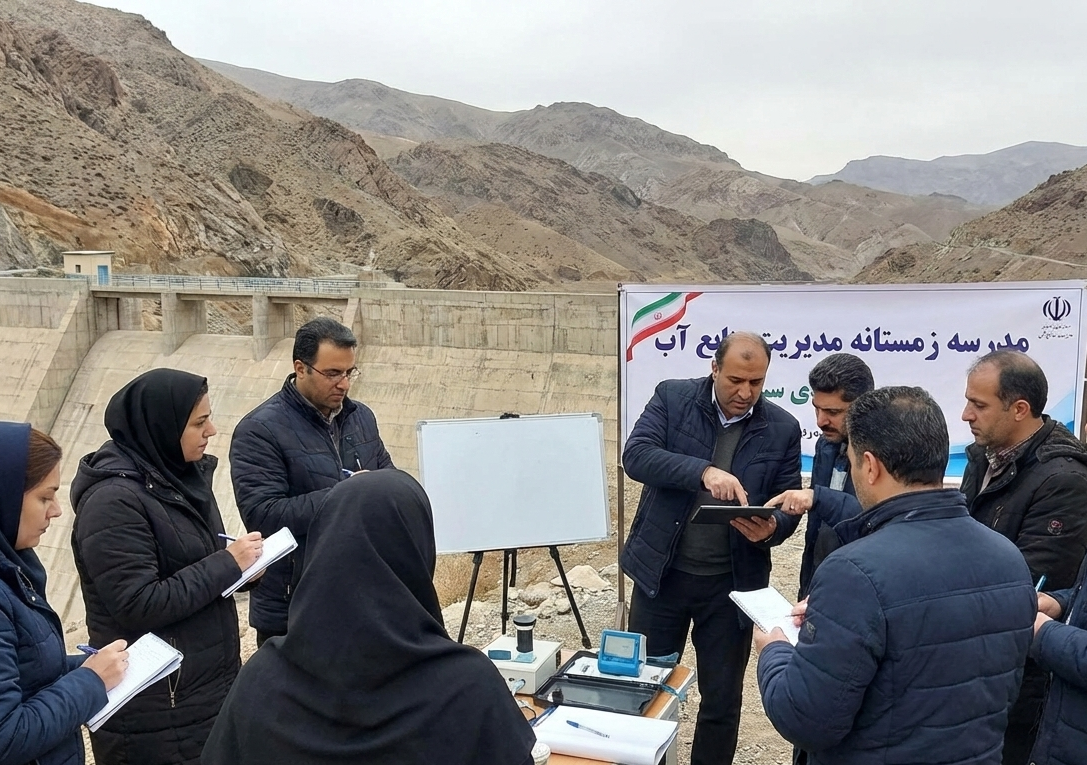
As Winter 2025 approaches, leading water management institutions across the MENA region are launching a new series of specialized Winter Schools. These initiatives, spreading through regional water innovation hubs, are far more than mere training courses; they represent a strategic response to the escalating complexities of the regional water crisis. In an era of drastic climate change, traditional management models are no longer sufficient. These schools serve as a vital platform for cultivating a new generation of water specialists and embedding innovation within executive frameworks.
The Strategic Importance of Seasonal Schools in Solving Water Deadlocks
The vitality of seasonal schools for the region’s future lies in their ability to bridge the “missing link” between abstract academic knowledge and harsh field realities. Today, water resource management is no longer a purely engineering discipline; it has evolved into a multi-disciplinary science encompassing economics, law, and sociology. These schools focus on water governance and water allocation, teaching young professionals how to balance competing demands amidst acute water scarcity. Without this practical training, massive investments in water technology risk failure due to a lack of specialized human capital.
A Brief History: The systematic movement of seasonal schools in the region began in the mid-2010s (circa 2015-2016) as part of broader policies to link academic excellence with industrial and administrative sectors.
Key Pillars of the Winter 2025 Programs
This year’s curriculum is strategically focused on four primary bottlenecks in regional water management:
- Water Governance School: Focusing on conflict management, legal frameworks, and institutional structures.
- Water Allocation School: Analyzing water balance sheets and ensuring equity in distribution across sectors.
- Groundwater Management School: Addressing the crisis of aquifer depletion and land subsidence.
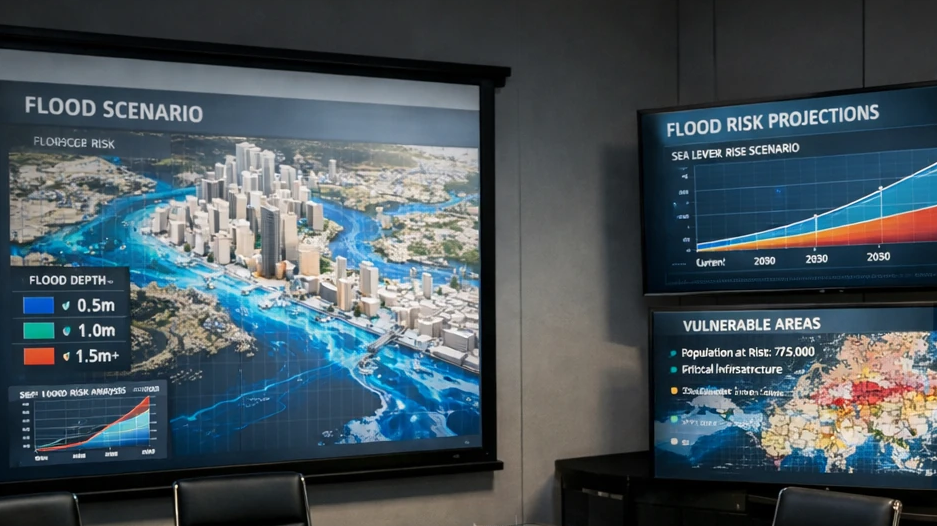
- Flood and Stormwater Management School: Utilizing modern technologies for modeling and early warning systems.
Governmental Objectives: Investing in Human Capital for Water Security
By investing in these schools, regional policymakers aim to build national capacity and reduce the costs of “trial and error” in major national projects. The primary goal is to identify top talent and create a networking bridge between young elites and government water authorities. Governments intend for water specialists to understand the realities of governance and resource constraints before assuming executive roles, ensuring that innovation transforms from a slogan into tangible field solutions.
Exclusive Analysis by the Water Insight Hub Team
The analytical team at Water Insight Hub believes the vitality of these schools rests on three fundamental levels that will define our region’s sustainability:
Level 1: Enhancing Efficiency through Technology: There is no longer room for traditional management. The 2025 Winter Schools must place water technology at the heart of decision-making. Specialists must learn that precise, data-driven monitoring is the only way to save the region’s basins. We reiterate: Physical water efficiency is an illusion without up-to-date specialist knowledge and smart monitoring tools.
Level 2: Transforming Governance Rules: Our current crisis stems more from weak management rules than from water scarcity itself. These schools must produce a new class of leaders who understand that water governance does not mean issuing commands, but rather creating participation and transparency in water allocation.
Level 3: Social and Professional Responsibility: These schools must aim to build “Water Ambassadors”—experts with the moral courage to defend environmental sustainability alongside developmental needs. Real innovation occurs when scientific expertise is coupled with a commitment to land preservation. From our perspective, the ultimate output of these schools should be improved water balances and the protection of future generations’ rights.
 Official Email of the Water Insight Hub: